




A walk through the small Trentino mountain village of Lundo, not far from the northern shore of Lake Garda. It’s beautifully situated; the sun’s rays usually break through there in the early morning hours, while at the same time the spa town of Comano Terme, located further down, is still thickly shrouded in fog.
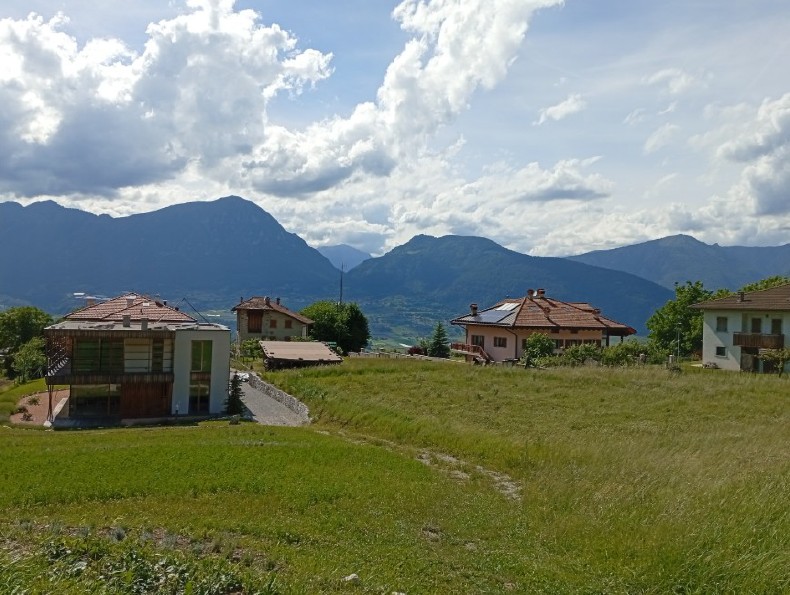
Twenty years ago, Lundo gave the impression of being one of those old Italian villages that are primarily abandoned by young people seeking work and more vibrant opportunities elsewhere. And older residents of the Comano Terme region recalled how, as children, they were told—half in jest, half as a threat—“If you don’t behave, I’ll send you to Lundo.” A sleepy place, a dying village where the world ends?
When we walk through Lundo today, a completely different picture emerges. The village has been transformed.
I’ve been able to witness this transformation over the years. The first house, located on the upper edge of the village at the edge of the forest, was purchased and redesigned according to Heinz Grill’s artistic vision.
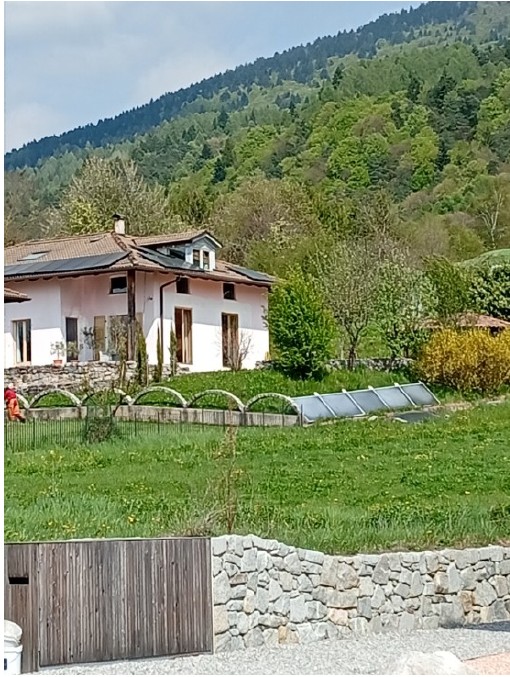
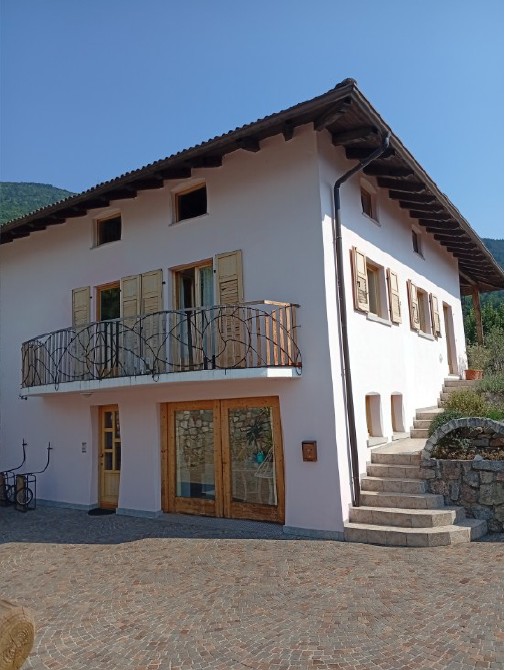
It wasn’t long before an Italian neighbor came by, looked at the ideas, and implemented some of them in his own home. And over the years, thanks to the villagers as well as Italian and international newcomers who bought apartments or houses—which were also renovated and redesigned—the little village of Lundo underwent a veritable transformation. Landscaped gardens with flowers and stones, renovations of old houses, a farmer who decided to convert his apple orchards to organic farming, a woman from Milan who opened the first bed-and-breakfast—soon followed by a second—and Italian families with children as well as artists moved to Lundo.
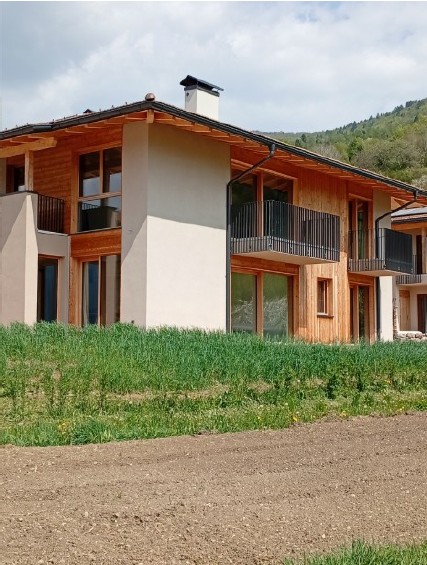
Newly built wooden houses that blend in very well with the village landscape.
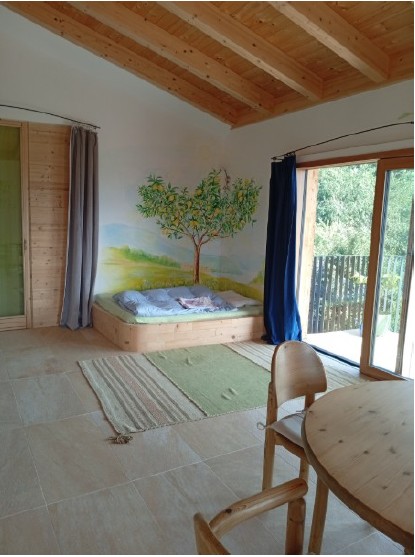
Harmonious Interior Design—The Lime Room
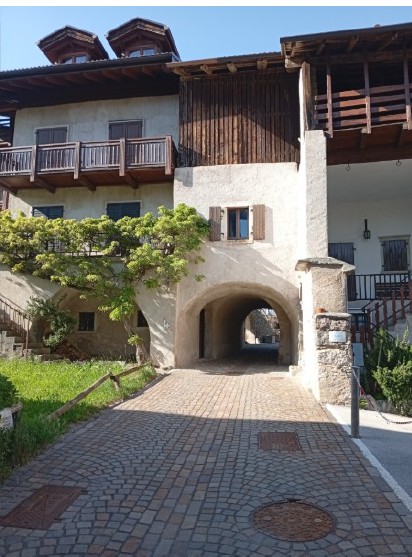
A typical old house with an arched doorway
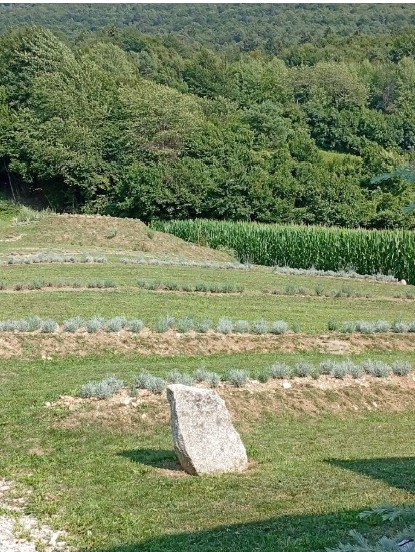
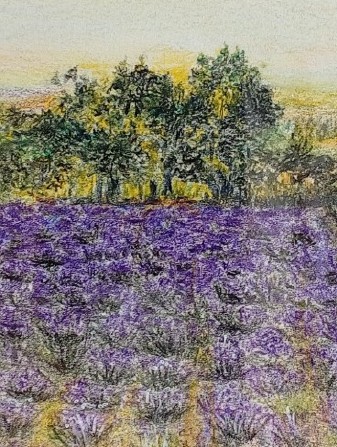
Newly Planted Lavender Field
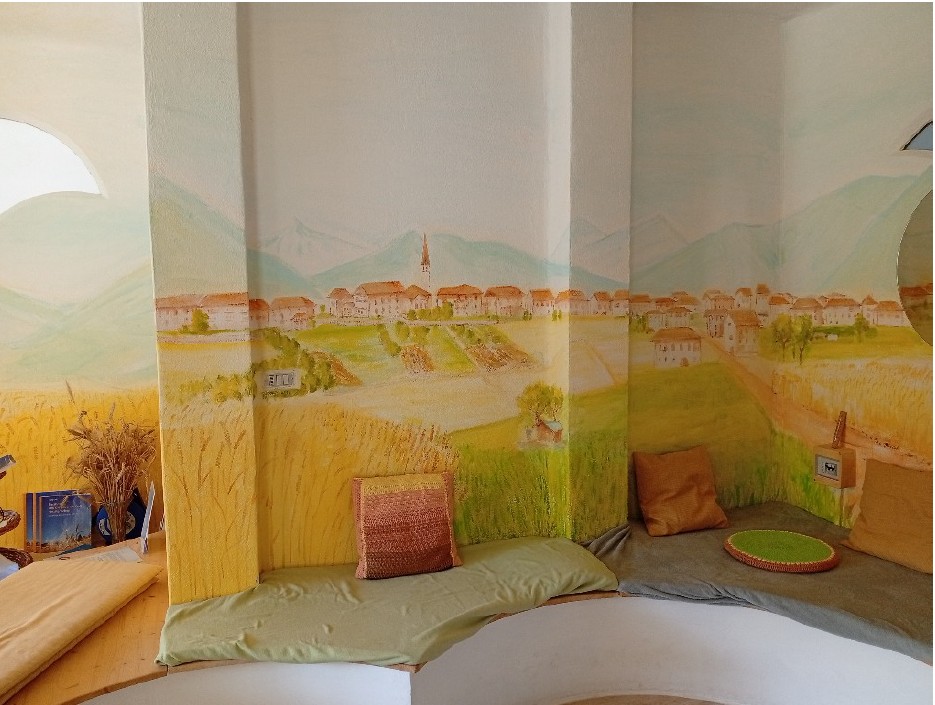
Mural at Casa Cereali, the Grain House
Visitors will experience a vision of Lundo—
—where fields of grain, bathed in light and air, could enrich the area in the future
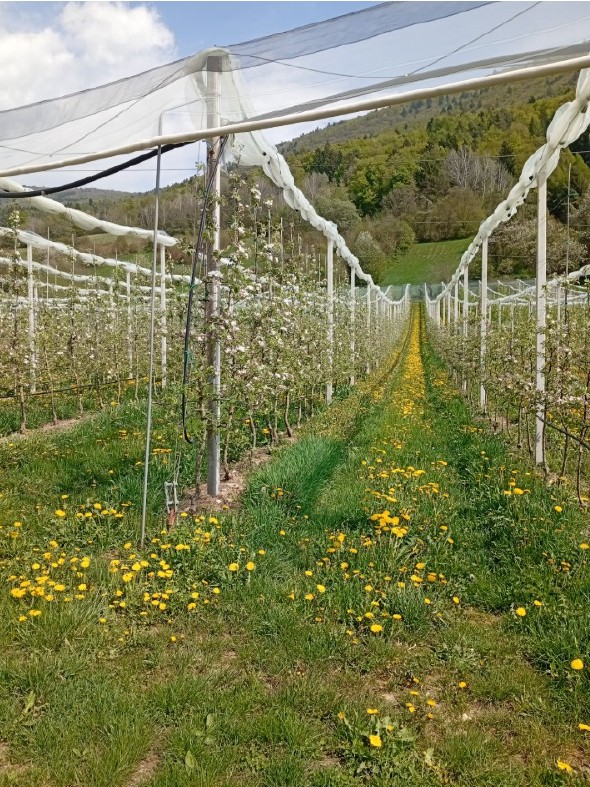
A vision that has already come true—organic apple orchards with uniquely aromatic apples—local produce right next door
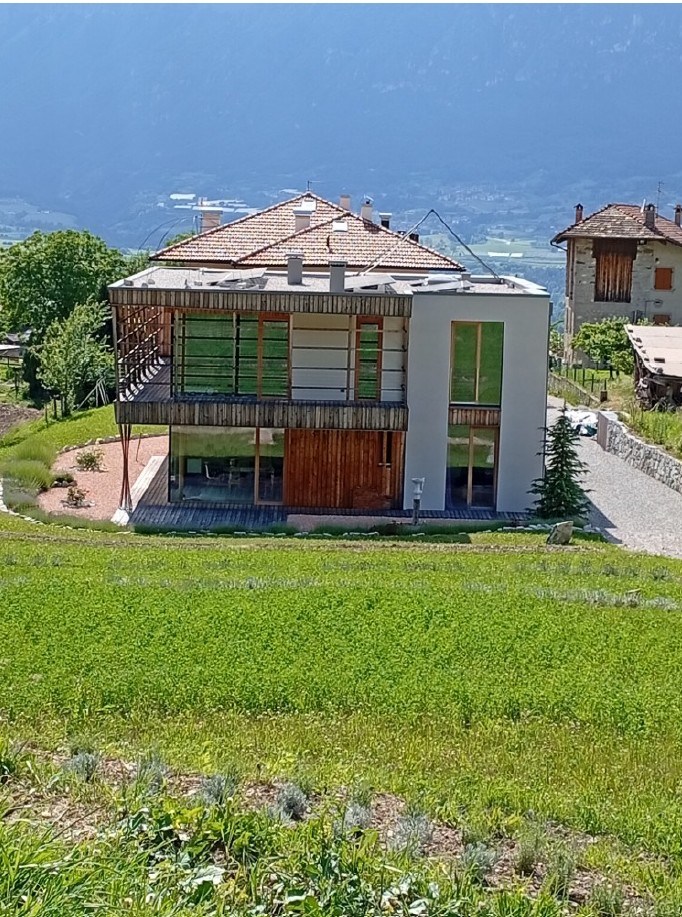
The Sun House – Modern, Light-Filled Architecture in
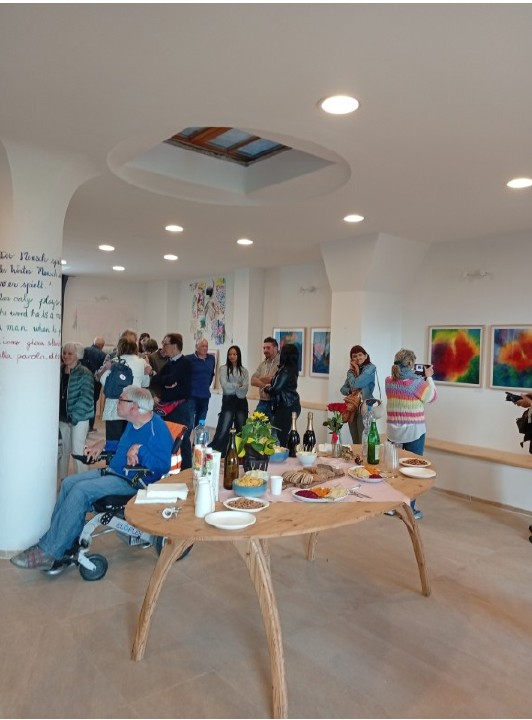
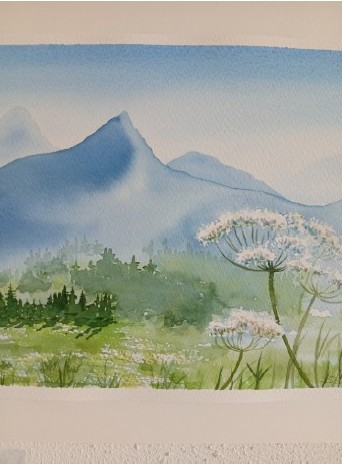
Lundo attracts artists; there is a beautifully renovated “artists’ house” that also houses a bakery. Exhibitions, particularly by contemporary Italian artists, are held throughout the year.
Here, newcomers and visitors are putting a new way of living into practice. What a tragedy it often is in tourist areas where homes are bought up by the wealthy, who spend at most one month a year there; for the rest of the year, these homes stand sadly vacant, while the local population faces a housing shortage and exorbitant rents. In Lundo, residents come and go with vitality, taking full responsibility for leaving the home clean and tidy. Anyone who tries this once will experience how appreciation for a beautiful, aesthetically pleasing living environment—and for the respective owner—takes shape.
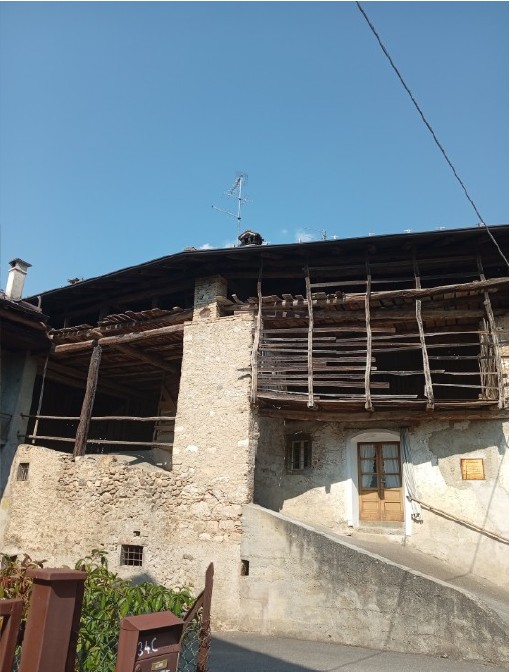
Old, unrenovated buildings stand side by side with imaginatively restored houses.
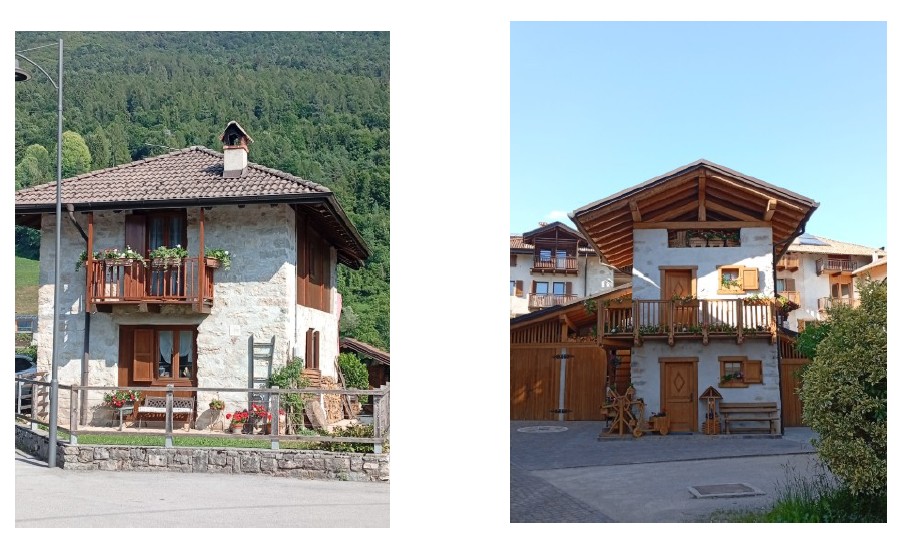
Italian families renovated these little houses
Artistic and cultural elements permeate the village, creating places of beauty and community
The Künstlerhaus is a gathering place, but Lundo has several lovely spots where residents and visitors can meet. Children and their parents enjoy visiting the inviting natural playground. Village festivals are also held there, near the center of the village.
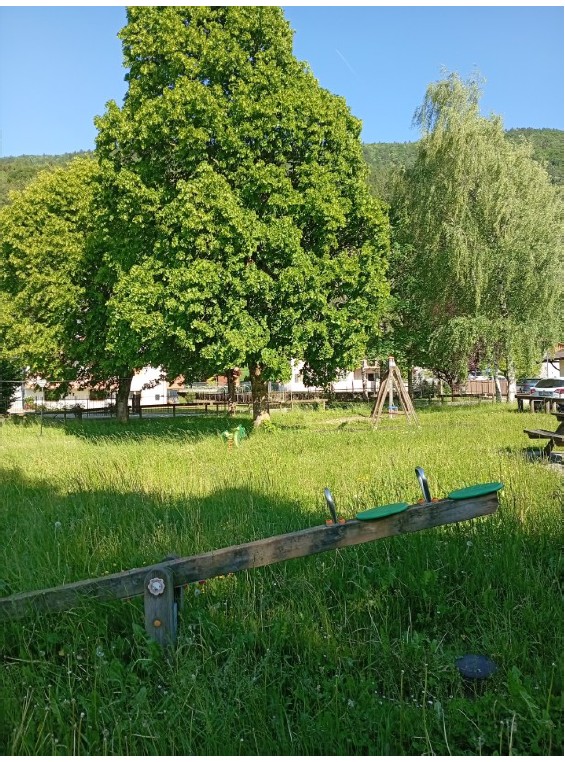
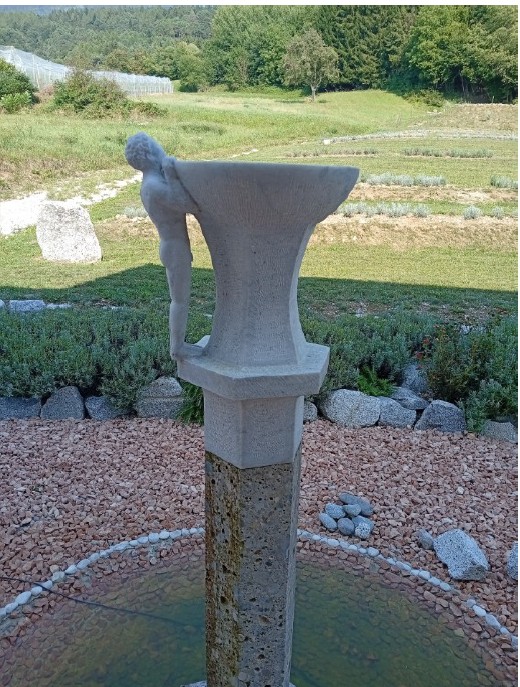
Art and Nature in Harmony
The source from which this wealth of new cultural ideas springs
The driving force behind these many initiatives is Heinz Grill, a well-known climber, founder of an aesthetic yoga trail, and spiritual teacher. He is a figure who has integrated himself into the small village in a very natural, kind, and respectful way. His work has a quiet yet very visible impact, transforming Lundo into a mountain village with a unique appeal. All of his work is dedicated, in the broadest sense, to peace and the well-being of both people and nature.
The fact that many visitors come—including guests attending seminars at the spiritual-ecological college in Naone led by Heinz Grill, as well as people who are ill and spend time recuperating in this beautiful village, actively engaging in their own recovery process— has led the municipality of Comano Terme to convert the single-lane road that previously led to Lundo into a two-lane road.
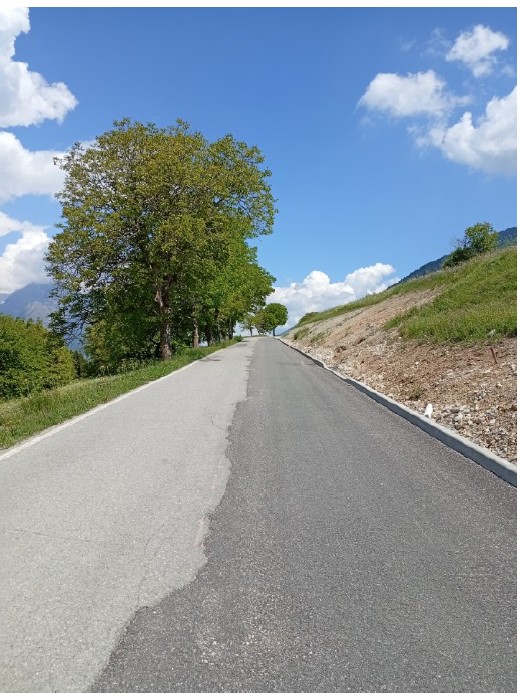
There are long-time residents in Lundo who are grateful for this development. They were able to sell their apartments, houses, and plots of land and are delighted to see new life moving into their village.
There are also others who mourn the loss of the old Lundo, the way it used to be. But if young people keep moving away and there are no new initiatives to revitalize the village, what will be left?
Today, Lundo is an established and evolving project for the future, in which all newcomers feel and behave like guests, and the residents of Lundo see themselves as hosts. Mutual respect and appreciation among everyone who lives there and visits—neither a presumptuous sense of ownership nor a defensive attitude toward newcomers—that would be the ideal for a fruitful coexistence.
This small mountain village has become a place where the world doesn’t end. It seems to me that a particularly beautiful world even begins there, where visitors can experience the invigorating opportunity to encounter a natural coexistence of the old and the new. It is no exaggeration to say that a village has been reborn here and has blossomed anew.

0 Comments